
Project Based Learning
Our school curriculum
Project Based Learning at Nailsworth Primary School
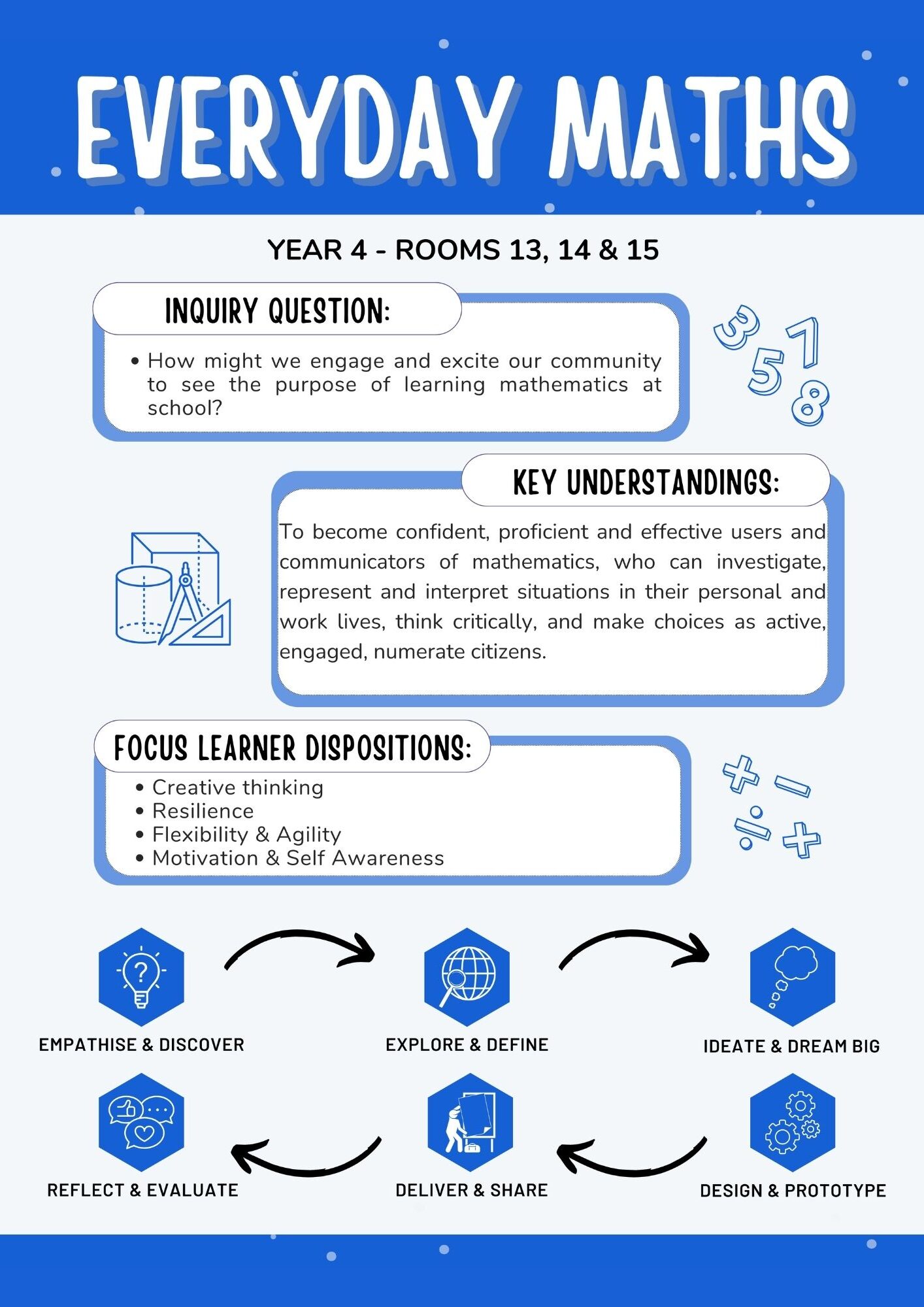
From Foundation to Year 6, our NPS Project Based Learning (PBL) framework supports students to explore real-world problems with purpose, creativity, and compassion. Using a flexible cycle of inquiry, students are empowered to take ownership of their learning as they move through six key stages: Empathise & Discover, Explore & Define, Ideate & Dream Big, Design & Prototype, Deliver & Share, and Reflect & Evaluate.
At every stage, students are encouraged to tune in, think deeply, and take action—working collaboratively, seeking feedback, and embracing challenges as opportunities to grow. Our PBL approach fosters a deep understanding of issues, a strong sense of empathy, and the confidence to share ideas that make a difference.
Project Based Learning at NPS is not a one-way journey. It is a rich, ongoing process in which learners revisit, refine, and reimagine their thinking in response to new insights and feedback. Through this process, our students develop not only knowledge and skills, but also the courage to dream big and take ownership of their learning.

2025 Driving Questions
A driving question frames the topic and drives the curriculum content, whilst connecting it to student lives and interests. It provokes thought & curiosity; generates discussion & debate; demands deep thought, analysis & explanation; and requires more than a yes/no answer.
Our 2025 driving questions are:
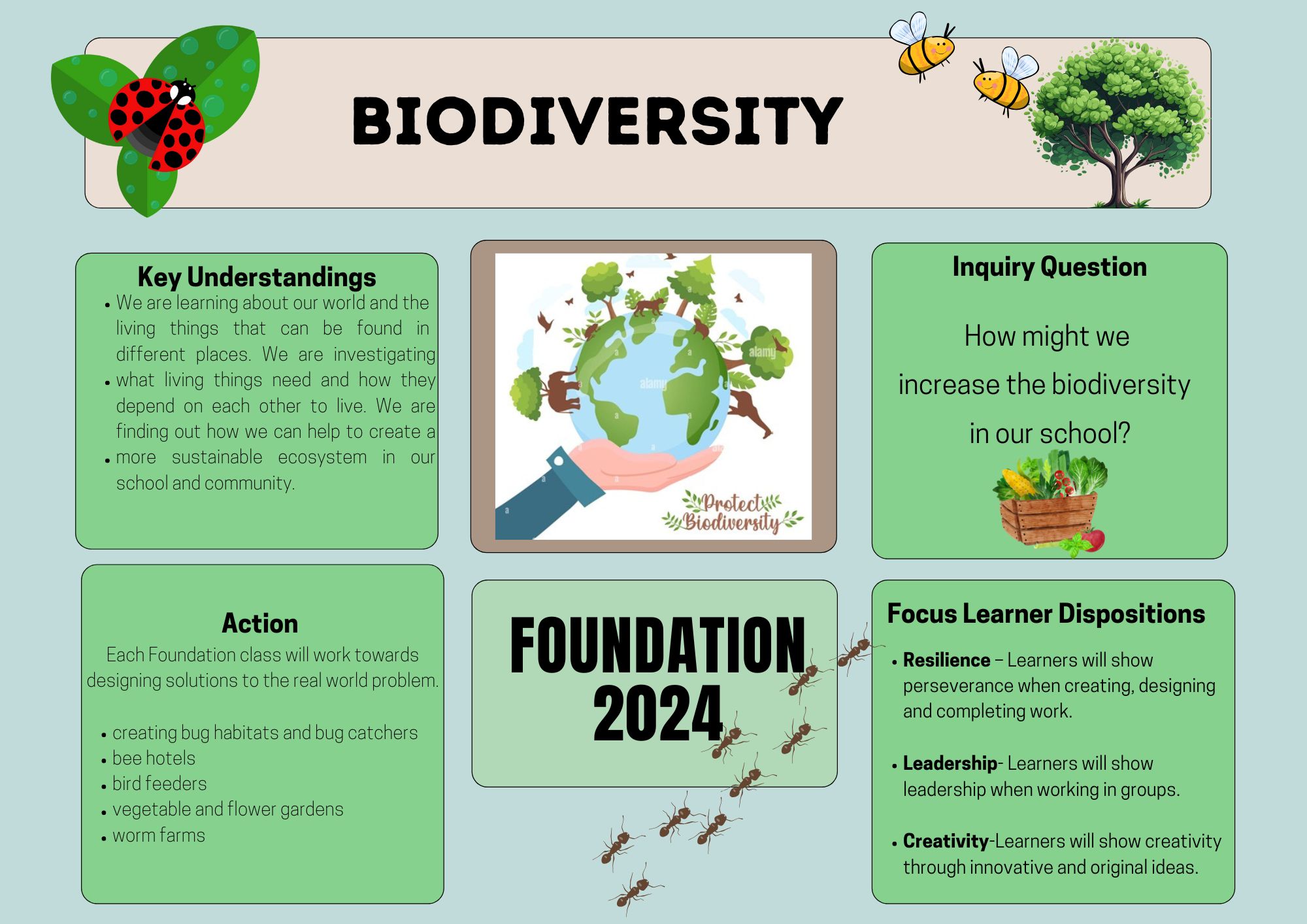
- Foundation: How might history help us learn about who we are now?
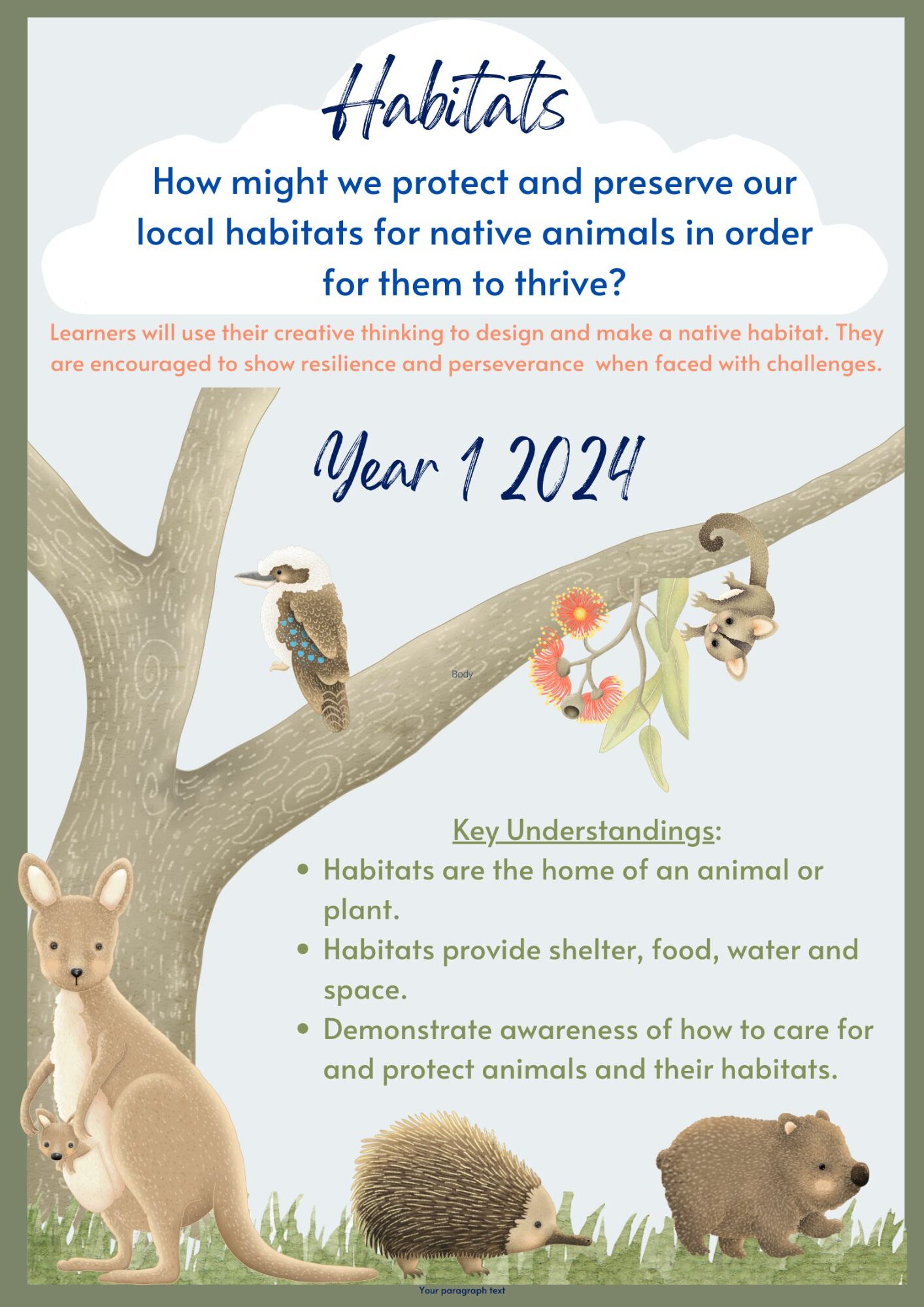
- Year 1: How might we ensure that an animal has everything it needs to thrive in its habitat?
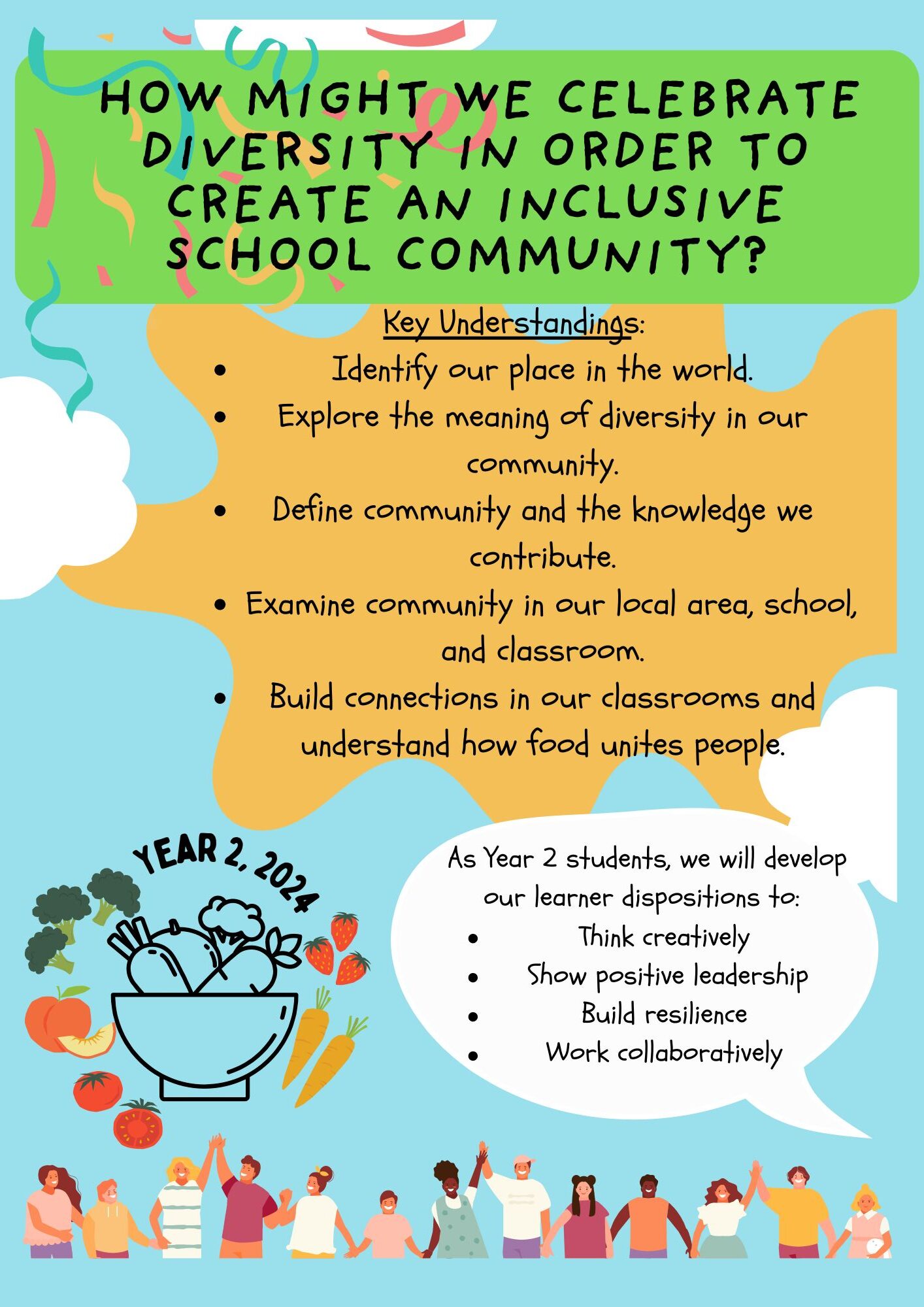
- Year 2: How might we produce sound through energy to create an instrument?
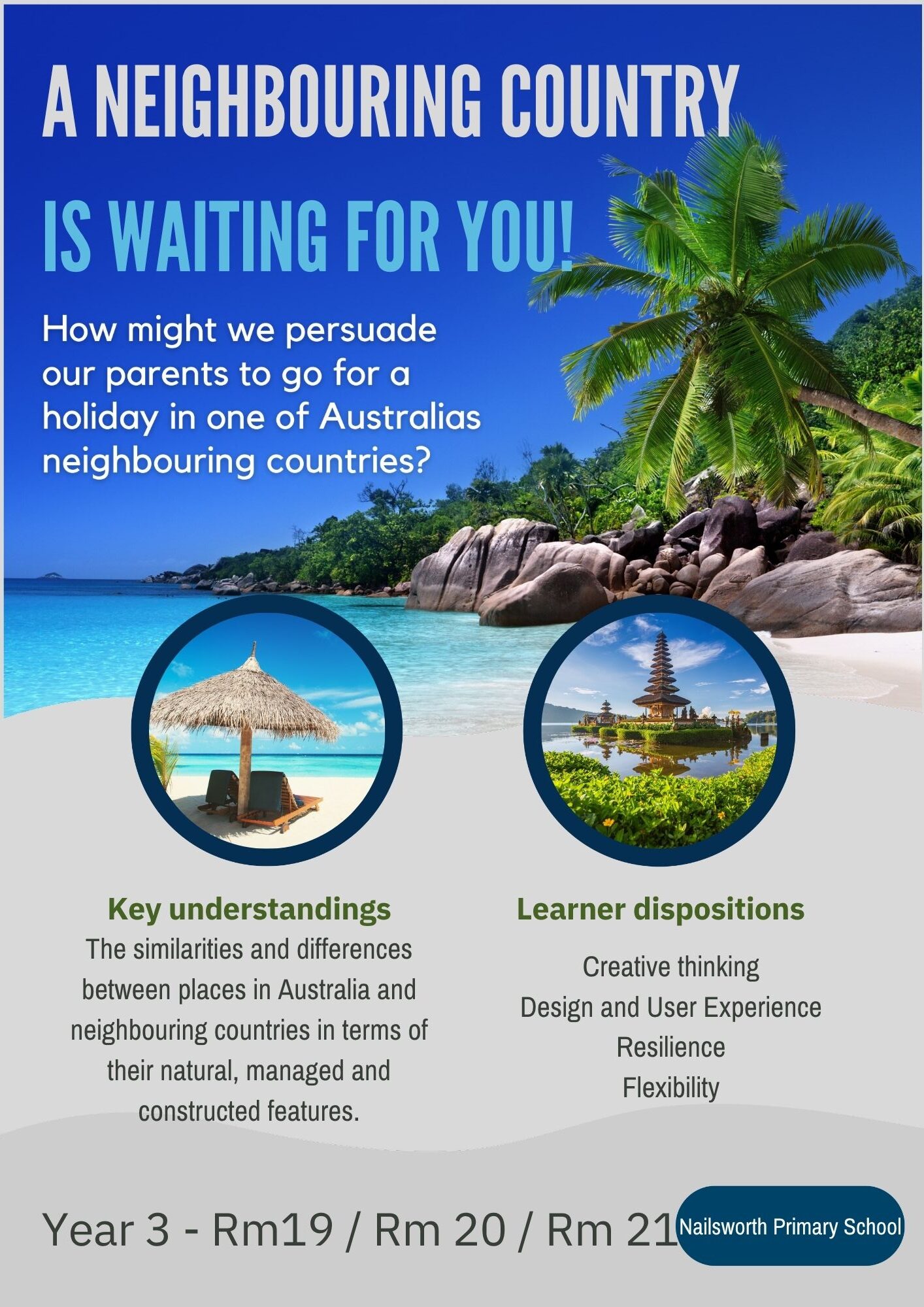
- Year 3: How might we protect animal habitats from the effects of human activity?
- Year 4: Have you ever noticed how maths is all around us in art? From shapes to patterns to sizes – maths can make art even more amazing! How might we integrate maths into art?
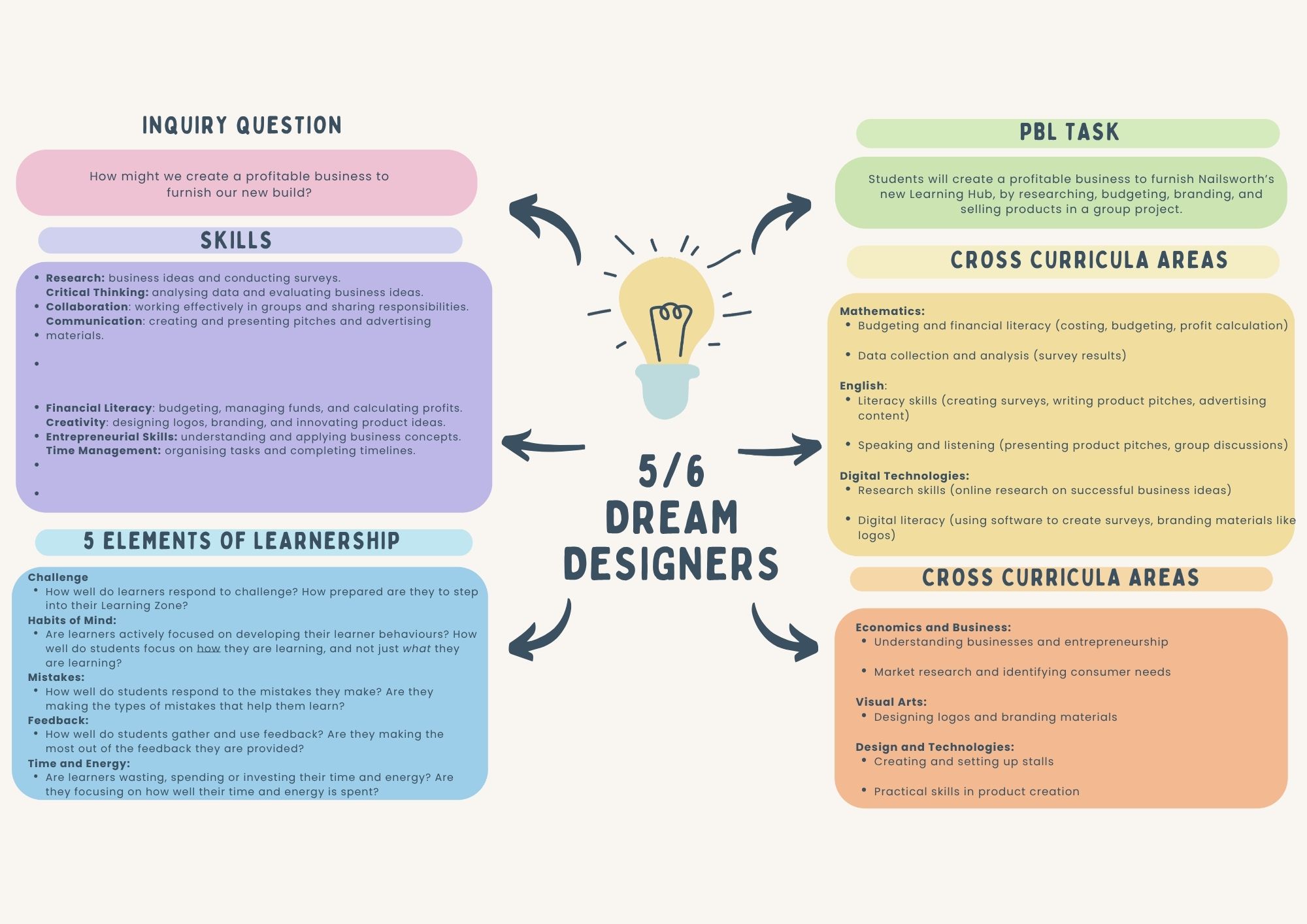
- Year 5/6: How might we create a profitable business to purchase new play time equipment?
Why do we want our students to engage with PBL?
To prepare our students for an unknown future. We don’t really know what the jobs of the future will be for our children, (although we do know that STEM professions are currently growing at twice the rate of other careers) but we do know that they will require more higher order thinking skills than previously. Our children will need to be able to analyse, evaluate and create more importantly than remembering, understanding and applying. We know that these lower order thinking skills are being replaced by automated technology – no longer do we need to memorise information – not when we can google the answers in seconds – or “Just ask Siri.” Our students need to know why this is not enough. Information is easily found, but students need the opportunity to learn how to use it successfully. Our world is changing so rapidly that we can’t prepare our kids for something in particular, so we must prepare them for anything! We need to teach students these multi-faceted skills so that they can tackle anything.
The importance of the 21st Century Skills of Communication, Collaboration and Critical & Creative reinforced in the Australian Curriculum general capability of Critical and Creative thinking, which states teachers need to give our students opportunities for:
- Inquiring
- Generating ideas and possible solutions
- Analysing, synthesising and evaluating reasoning
- Reflecting on the thinking and processes
